DIY Tile Accent Walls: Planning, Installation & Design Tips
A recent feature in Apartment Therapy highlighted how a DIY tile accent wall transformed an old bathroom into a custom space, sparking inspiration for many homeowners. This simple yet impactful design choice can elevate any room, adding personality and a touch of luxury without the need for a full renovation.
If you're looking to infuse character into your bathroom, kitchen, or living area, a tile accent wall is an excellent DIY project. This guide will walk you through the planning, design, and installation phases, equipping you with the knowledge to create a beautiful and durable focal point in your home.
Planning Your Tile Accent Wall Project
Careful planning is the cornerstone of a successful DIY tile accent wall. Before you even select a single tile, consider these crucial steps:
- Define Your Vision: What aesthetic are you aiming for? Modern, rustic, elegant, or playful? Your tile choice, pattern, and color will largely dictate the final look. For bathroom tile accent ideas, consider how the tile will interact with existing fixtures and lighting.
- Choose the Right Wall: Select a wall that naturally draws the eye. In bathrooms, this often means the wall behind the vanity, toilet, or inside a shower enclosure. Ensure the wall is structurally sound and free from moisture issues.
- Select Your Tile: There's a vast array of tile options, each with unique properties. Consider ceramic, porcelain, natural stone (marble, slate), or glass tiles. For bathrooms, prioritize tiles rated for wet areas and ensure they complement the room's existing palette.
- Measure Accurately: Precision is key to avoiding material shortages or excess. Measure the height and width of your chosen wall. You can then use our free tile calculator to determine the total square footage needed, remembering to add an extra 10-15% for cuts, breakage, and future repairs. Learn more about how to measure a room for tile and how much tile do I need.
- Estimate Materials: Beyond tile, you'll need thinset mortar, grout, and possibly waterproofing membranes for wet areas. Our free tile calculator can help estimate tile quantities, and our guide on how to estimate grout and thinset offers detailed insights.
Designing for Impact: Creating Stunning Bathroom Tile Accent Ideas
The design choices you make will transform a plain wall into a captivating feature. Here are design tips to make your accent wall truly stand out:
- Scale and Proportion: Consider the size of your room and the accent wall itself. Large format tiles can make a small room feel grander, while smaller mosaic tiles can add intricate detail.
- Tile Pattern Play: The way you arrange your tiles can drastically alter the look. Common patterns include classic subway (offset), stacked (straight lines), herringbone, or basketweave. A unique pattern can be a strong visual element.
- Color and Texture Contrast: An accent wall works best when it contrasts with the surrounding walls. This could be a bold color difference, a striking textural variation (e.g., rough stone against smooth paint), or a different sheen (glossy vs. matte).
- Lighting Considerations: How light hits your accent wall can enhance its features. Textured tiles create interesting shadows, while glossy tiles reflect light, brightening a space. Consider adding dedicated lighting, like sconces or track lights, to highlight your tile work.
- Embrace Uniqueness: Don't be afraid to experiment. Irregularly shaped tiles, mixed materials, or even custom tile murals can create a truly one-of-a-kind accent wall.
Installation Essentials for DIY Success
With your design and materials ready, it's time for installation. Patience and adherence to best practices will ensure a professional finish.
- Surface Preparation: The wall must be clean, dry, flat, and structurally sound. Any cracks or imperfections should be repaired. For wet areas like showers, applying a waterproofing membrane is essential to prevent moisture damage to the wall structure.
- Layout and Dry Fitting: Before mixing thinset, dry-lay your tiles on the floor or the wall to plan your pattern and cuts. Find your starting point, often the center of the wall or a prominent corner, and draw plumb and level lines to guide your installation. This step helps visualize the final look and minimizes waste.
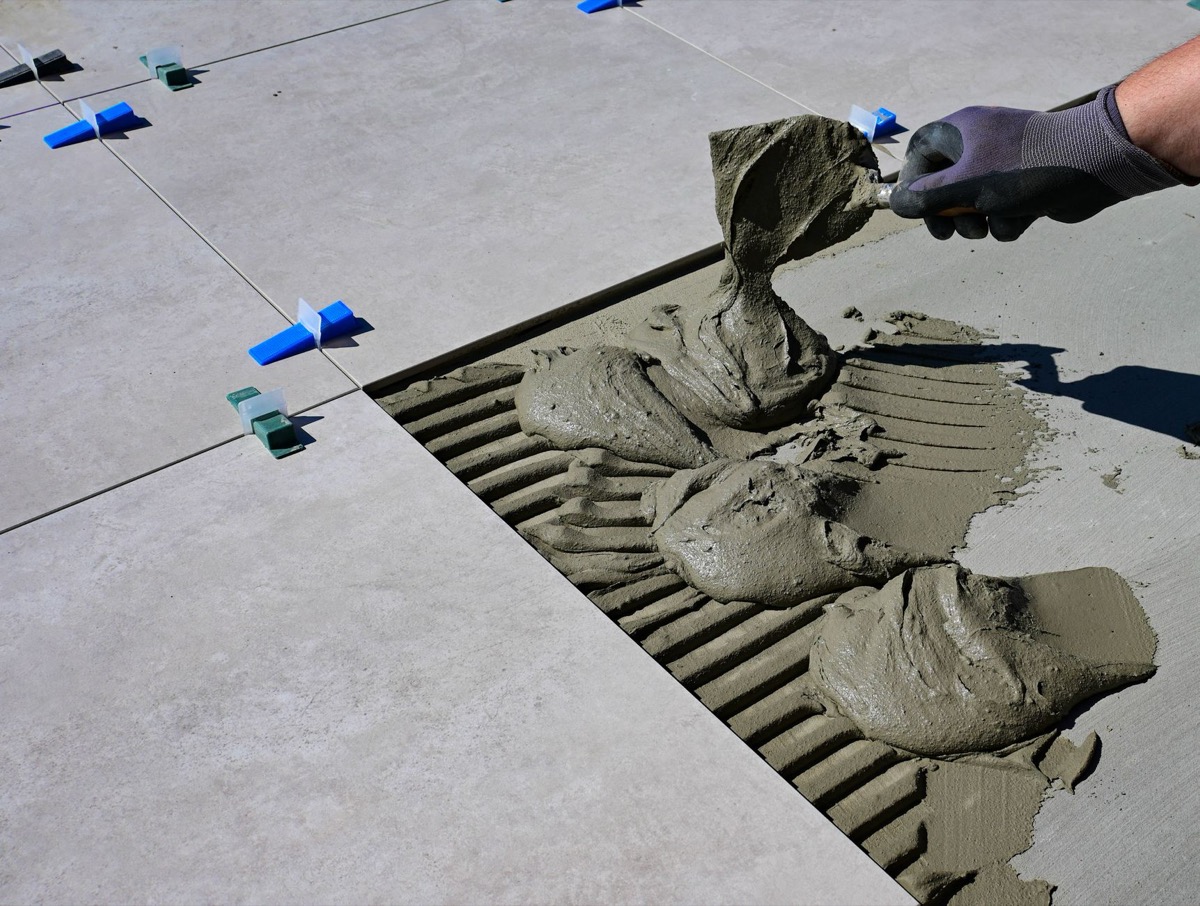
- Apply Thinset Mortar: Use the appropriate trowel size for your tile. Apply thinset evenly to the wall, then back-butter larger tiles for better adhesion. Work in small sections to prevent the thinset from drying.
- Setting the Tiles: Press each tile firmly into the thinset, ensuring full coverage. Use spacers to maintain consistent grout lines. Regularly check for levelness and plumbness.
- Cutting Tiles: You'll likely need a wet saw for porcelain or natural stone, or a tile cutter for ceramic. Always wear appropriate safety gear, including eye protection.
- Grouting: Once the thinset has fully cured (typically 24-72 hours depending on the thinset type, tile size, and conditions — large-format or unmodified mortars cure slower, so always follow the manufacturer), remove spacers and apply grout using a rubber float. Work in small sections, pressing the grout into the joints, then wipe off excess with a damp sponge.
- Sealing: For natural stone tiles or certain porous grouts, applying a sealant is recommended to protect against stains and moisture.
Maintaining Your Tile Accent Wall
Once installed, a tile accent wall requires minimal maintenance to keep it looking pristine for years to come. Regular cleaning with appropriate tile and grout cleaners is usually sufficient. Avoid harsh abrasives or chemicals that can damage grout or tile surfaces. For sealed natural stone, re-sealing every few years may be necessary, depending on usage and product specifications, to maintain its protective barrier. With proper care, your DIY tile accent wall will remain a stunning focal point in your home, continuing to impress and add value.
Tiles needed to cover 100 sq ft by tile size
Key Takeaways
- Thorough planning, including accurate measurements and material estimation, is vital for a successful tile accent wall.
- Strategic design choices like tile pattern, color, and texture create impactful bathroom tile accent ideas.
- Proper surface preparation and careful installation techniques are key to a durable and professional-looking finish.
- Utilize online calculators for precise tile, thinset, and grout quantity estimates to manage your budget and materials.
- Regular, gentle cleaning helps maintain the beauty and longevity of your tiled accent feature.
Try It Yourself — Free
Ready to bring your bathroom tile accent ideas to life? Start by accurately estimating your materials with our free tile calculator. For more detailed insights on tile quantities, visit our guide on How Much Tile Do I Need.
Related Resources
- Bathroom Tile Estimating Checklist
- Flooring Calculator
- Flooring Calculators Hub
- Hardwood Flooring Calculator
- Complete Guide
More From Our Network
- Duct Size Calculator — same niche
- cyberfrad — our network
Sources
- Apartment Therapy — Original report
- Tile Council of North America — Tile Council of North America (TCNA) provides industry standards and guidelines for tile installation, including recommendations for substrate preparation and material selection.