Choosing & Using Laser Levels for Perfect Tile Installation
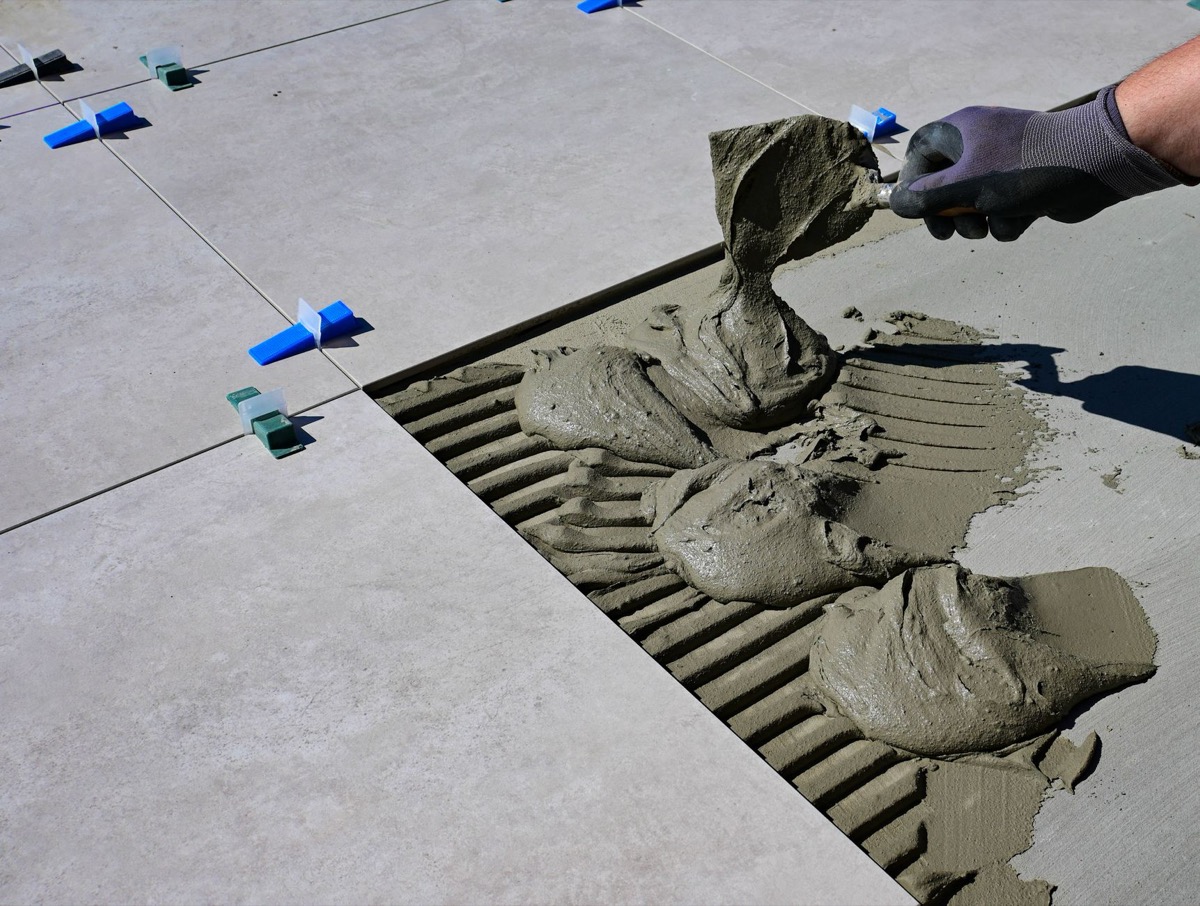
Tiling projects, whether a small backsplash or an entire floor, demand precision. Achieving perfectly straight lines and an even surface has traditionally relied on meticulous measuring, chalk lines, and a keen eye. However, as Popular Mechanics highlighted, it's "Time to Toss Your Hard-to-Read Bubble Level. These Upgraded Laser Levels Practically Do the Work for You."
Modern laser levels offer unparalleled accuracy and efficiency for tile work, making precise layouts significantly easier for DIYers and trade professionals alike. This guide will walk you through selecting the right laser level for your tiling needs and how to use it to ensure flawless results.
Why Laser Levels Are Essential for Perfect Tile Layouts
While traditional tools like bubble levels and chalk lines have their place, they present limitations for extensive tiling projects. Chalk lines can fade or be difficult to snap perfectly straight, and bubble levels require constant repositioning for long runs, making it challenging to maintain consistency across a large area.
Laser levels overcome these hurdles by projecting highly visible, consistently straight lines across your work surface. This means you can:
- Achieve Superior Accuracy: Laser lines offer a visual guide that is inherently straighter and more consistent than manual methods, significantly reducing layout errors.
- Increase Efficiency: Setting up a laser level is often faster than repeatedly measuring and snapping chalk lines or adjusting a bubble level.
- Ensure Professional Results: Precise layouts lead to uniform grout lines and a truly level installation, which is critical for the aesthetic and longevity of your tile work.
- Simplify Complex Patterns: For diagonal or intricate tile patterns, a laser level can quickly establish a reliable grid.
Types of Laser Levels for Tile Installation
Not all laser levels are created equal, and some are better suited for tile work than others:
- Cross-Line Lasers: These are among the most popular for general home improvement. They project two perpendicular lines (one horizontal, one vertical), making them excellent for establishing a level starting point for wall tiles or a basic floor grid.
- 360-Degree Line Lasers: Offering even greater versatility, these project a continuous horizontal and/or vertical line around an entire room. This is ideal for ensuring consistent height for wall tile courses or leveling across multiple walls simultaneously.
- Tile Lasers (90-Degree/Square Lasers): Specifically designed for floor tiling, these project two laser lines at a perfect 90-degree angle, often extending several feet. This creates an immediate square layout on your floor, simplifying the process of setting your first tile and subsequent rows. Some models even feature a third 45-degree line for diagonal layouts.
Most modern laser levels for tiling are also self-leveling, automatically adjusting to ensure projected lines are perfectly plumb and level, even if the tool itself is slightly off-kilter. This feature is a game-changer for maintaining accuracy.
Key Features to Look for in a Tile Laser Level
When choosing a laser level for your tiling projects, consider these important features:
- Accuracy: Look for a specification like "±1/8 inch at 30 feet" (or similar). The smaller the deviation, the more precise your lines will be.
- Line Visibility: Green lasers are generally more visible than red lasers, especially in bright conditions, though they tend to be more expensive. Consider the lighting conditions of your typical work environment.
- Self-Leveling Range: A wider self-leveling range (e.g., ±4 degrees) means the tool can compensate for more uneven surfaces before requiring manual adjustment.
- Mounting Options: A laser level with a standard tripod thread offers flexibility. Magnetic brackets or clamping systems can also be very useful for attaching to walls or studs.
- Durability and IP Rating: Tiling environments can be dusty and damp. An IP (Ingress Protection) rating indicates resistance to dust and water, enhancing the tool's lifespan.
- Battery Life: Longer battery life is always a plus, especially for larger projects. Rechargeable options can be cost-effective in the long run.
Using Your Laser Level for Flawless Tile Layout
Once you've chosen your laser level, proper setup and use are key to achieving perfect tile installations:
- Prepare Your Surface: Ensure your walls or floors are clean, dry, and structurally sound. For floors, ensure proper subfloor preparation. Before any layout, precisely measure your room for tile to plan your tile placement effectively.
- Set Up the Laser Level: Place the laser level on a stable surface (like a tripod or a flat part of the subfloor) in a central location where its lines can project across the entire work area. For wall tiles, mount it at the approximate height of your desired horizontal line.
- Establish Your Baselines: Turn on the desired laser lines. For floor tiles, use a tile laser to project a 90-degree square from your chosen starting point (often the center of the room or a main wall). For wall tiles, use a cross-line or 360-degree laser to project your first horizontal course line, ensuring it's perfectly level.
- Mark Your Layout: Once your baseline is established, you can use the laser lines to mark your primary layout lines on the floor or wall. These marks will guide your first tiles and subsequent rows, ensuring everything stays plumb and level. Refer to guides like How to Estimate Grout and Thinset to understand how your layout impacts material needs.
- Check for Consistency: As you begin setting tiles, periodically check against your laser lines to ensure you're maintaining accuracy. The visible laser provides a constant reference point.
By integrating a laser level into your tile installation workflow, you significantly enhance the precision and efficiency of your project, moving beyond the limitations of traditional tools to achieve truly professional-looking results.
Tiles needed to cover 100 sq ft by tile size
Key Takeaways
- Laser levels provide superior accuracy and efficiency for tile installation compared to traditional bubble levels and chalk lines.
- Cross-line, 360-degree, and specialized tile lasers are ideal choices, with self-leveling being a key feature.
- Prioritize accuracy, line visibility (green often preferred), self-leveling range, and mounting options when choosing a laser level.
- Proper setup in a central location and careful marking of baselines are crucial for leveraging a laser level's full potential.
- Using a laser level helps ensure perfectly straight lines, uniform grout, and professional-quality tile finishes, reducing errors.
Try It Yourself — Free
Ready to plan your next tiling project with confidence? Use our free tile calculator to accurately estimate square footage, grout, and thinset needs. For comprehensive planning, also check out our How Much Tile Do I Need guide.
Related Resources
- Bathroom Tile Estimating Checklist
- Flooring Calculator
- Flooring Calculators Hub
- Hardwood Flooring Calculator
- Complete Guide
More From Our Network
- Duct Size Calculator — same niche
- cyberfrad — our network
Sources
- Popular Mechanics — Original report