Lippage on tile
What is Tile Lippage?
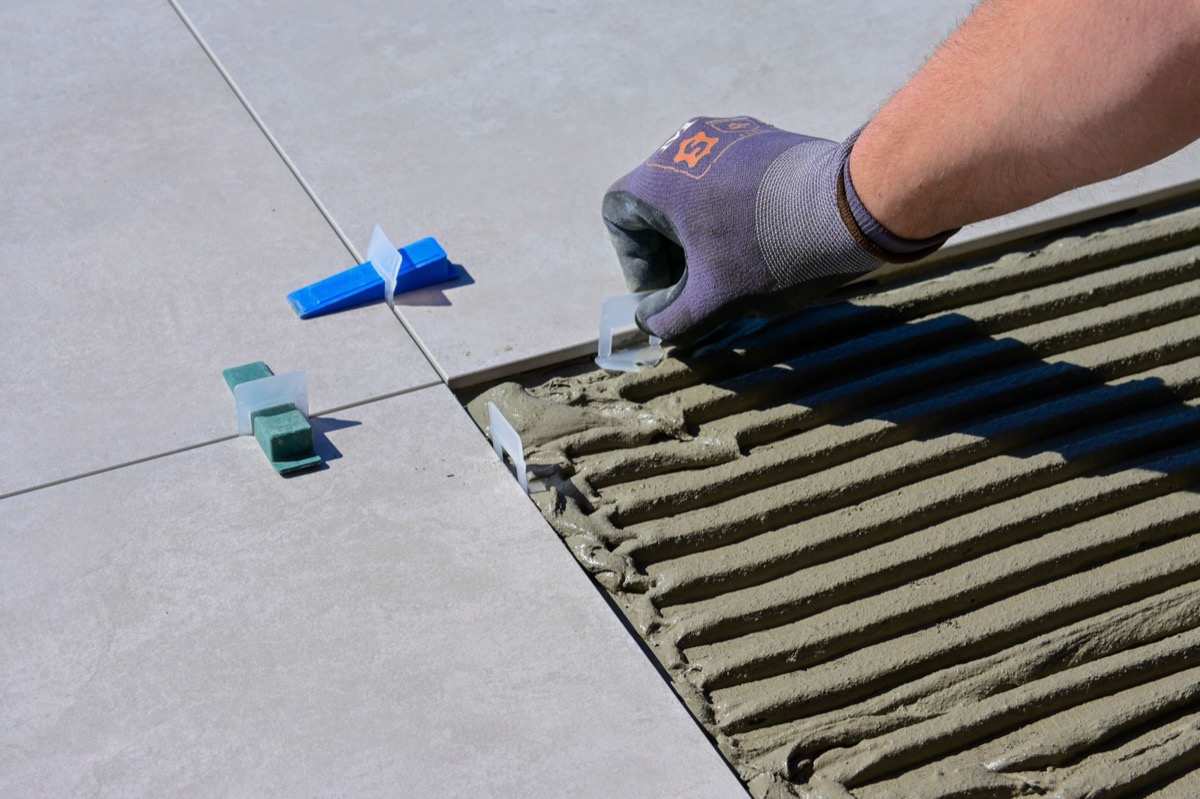
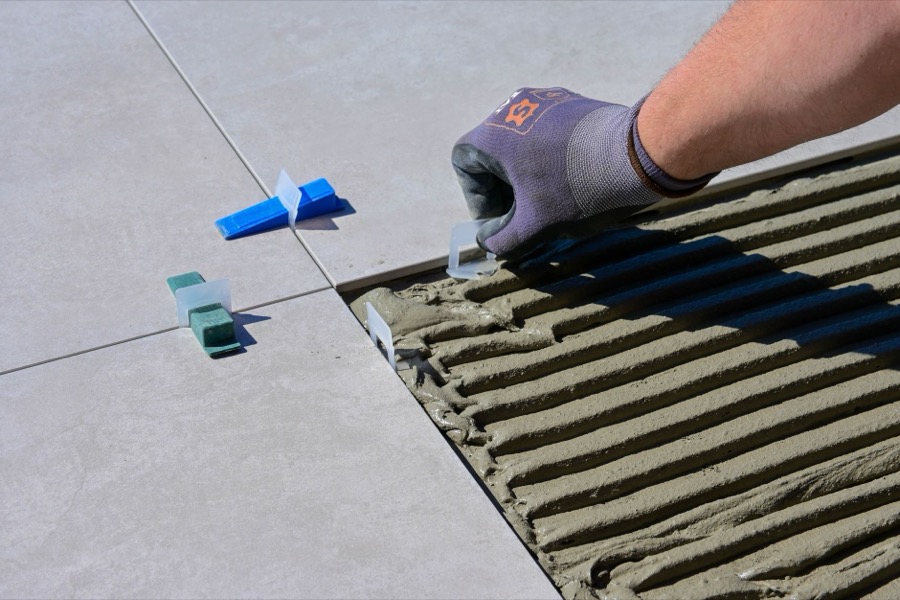
Lippage in tile installations refers to the difference in height between the edges of adjacent tiles. Essentially, it's when one tile sits higher or lower than the tile next to it, creating an uneven surface.
This variation is formally defined by the American National Standards Institute (ANSI) standard A108.02, Section 4.3.7, which describes lippage as 'differences in elevation between edges of adjacent tile modules.'
Factors Influencing Lippage Perception
The ANSI standard acknowledges that several factors can influence how noticeable lippage is. These include the inherent thickness variations and allowable warpage of the tile modules themselves, as well as the spacing between tiles, which can create either a gradual or abrupt change in elevation.
Furthermore, the way light hits the tiles, whether from natural or manufactured sources, can accentuate otherwise acceptable variances. Highly reflective tile surfaces can also make minor differences in height more apparent. It's also crucial to consider that variations in the underlying substrate can significantly contribute to lippage when tiles are installed using the thin-set method over an uneven surface.
Ensuring a Smooth Tile Installation
Achieving a smooth, lippage-free tile installation requires careful consideration of both the tile and the substrate. Understanding the allowable variations in tile manufacturing and ensuring a level substrate are key steps.
For projects where precise measurements and material quantities are crucial, utilizing a tool like a free tile calculator can be incredibly beneficial. This helps ensure you order the correct amount of tile, reducing the likelihood of needing to cut tiles in a way that might exacerbate lippage issues or dealing with insufficient quantities.
Key takeaways
- Lippage is the height difference between adjacent tile edges, defined by ANSI standards.
- Factors like tile warpage, substrate unevenness, lighting, and tile reflectivity can affect perceived lippage.
- A level substrate and proper tile selection are crucial for minimizing lippage.
- Using a free tile calculator can help ensure accurate material ordering for a better installation.
Related tools
Estimate materials with our free tile calculator on Tile Calculator.