How to fix cracking grout on tile floor
Understanding Cracking Grout
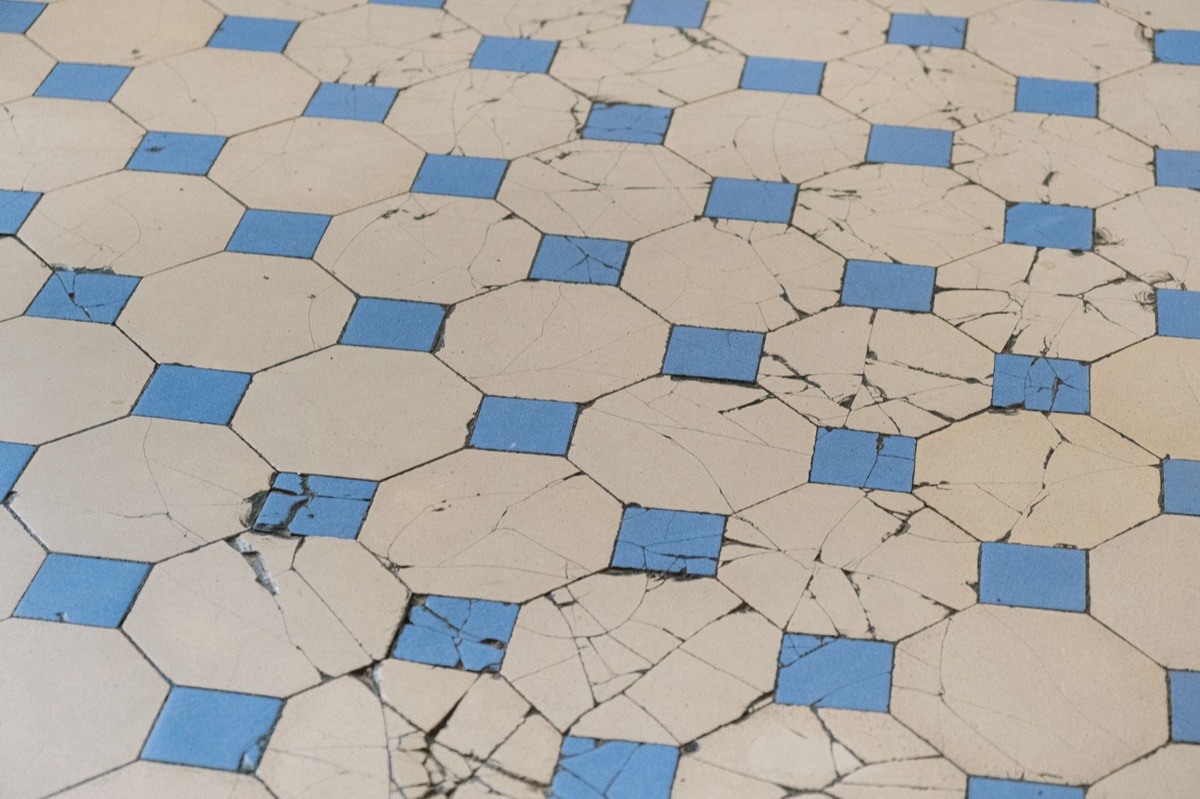
Cracking grout on a tile floor can be a frustrating issue, but understanding its causes is the first step to a successful repair. Common culprits include improper installation, movement in the substrate, or the use of the wrong type of grout for the application. Sometimes, even seemingly minor issues like lippage, which is a variation in the height of adjoining tiles, can put undue stress on grout lines, leading to cracks over time.
Lippage, as defined by ANSI standard A108.02, refers to differences in elevation between the edges of adjacent tile modules. Factors influencing the perception of lippage include tile thickness variations, tile warpage, tile spacing, the angle of light, and the reflectivity of the tile surface. If the substrate is uneven, it can also contribute to lippage and subsequent grout problems.
DIY Solutions for Cracked Grout
For minor cracks, a DIY repair might be feasible. Begin by carefully removing the old, cracked grout using a grout saw or utility knife. Ensure you get as much of the old grout out as possible without damaging the tiles. Clean the grout lines thoroughly to remove any dust or debris. Once clean and dry, you can apply new grout. It's crucial to use a high-quality grout appropriate for floor applications and to follow the manufacturer's instructions for mixing and application.
For larger or more widespread cracking, or if you suspect underlying issues like substrate movement, it's advisable to consult a professional. They can assess the situation, identify the root cause, and recommend the most effective long-term solution. If you're planning a larger tiling project and want to ensure you have enough materials, use our free tile calculator to estimate your needs accurately.
Preventing Future Grout Issues
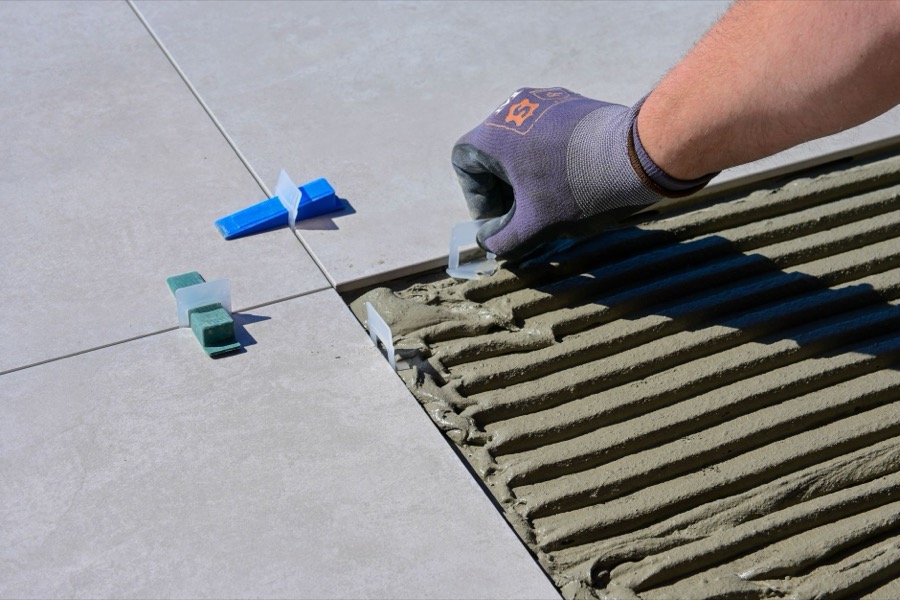
Prevention is key to maintaining a beautiful and durable tile floor. Proper installation techniques are paramount. This includes ensuring a level and stable substrate, using the correct adhesive and grout for the tile type and location, and allowing adequate curing time. For exterior applications or areas prone to moisture, consider using a flexible grout or a grout sealer to protect against water penetration and staining.
Regular cleaning and maintenance can also help extend the life of your grout. Avoid harsh chemicals that can degrade grout over time. If you notice any signs of movement or damage to your tile floor, address them promptly to prevent more significant issues from developing.
Key takeaways
- Cracking grout can be caused by installation errors, substrate movement, or lippage.
- Minor grout cracks can often be repaired with DIY methods, but significant issues may require professional help.
- Proper installation and regular maintenance are crucial for preventing future grout problems.
Related tools
Estimate materials with our free tile calculator on Tile Calculator.