Grout is cracking
Why Grout Cracks: An Overview
Cracking grout is one of the most frequently reported problems in tiled surfaces, appearing in floors, walls, and showers alike. While grout itself is a rigid material, it is vulnerable to movement, stress, and installation errors that cause it to fracture over time.
Understanding the underlying causes is essential before attempting any repair, because fixing cracked grout without addressing the root problem typically leads to the same cracks returning.
The Role of Lippage and Uneven Tiles
One significant contributor to grout cracking is lippage — the difference in elevation between the edges of adjacent tile modules. The ANSI standard A108.02, Section 4.3.7 defines lippage as 'differences in elevation between edges of adjacent tile modules.'
When adjoining tiles sit at different heights, stress concentrates along the grout joint between them. Factors such as tile warpage, spacing between modules, and the angle of light can all influence how severely lippage affects the installed surface and its grout lines.
Substrate Problems and Installation Errors
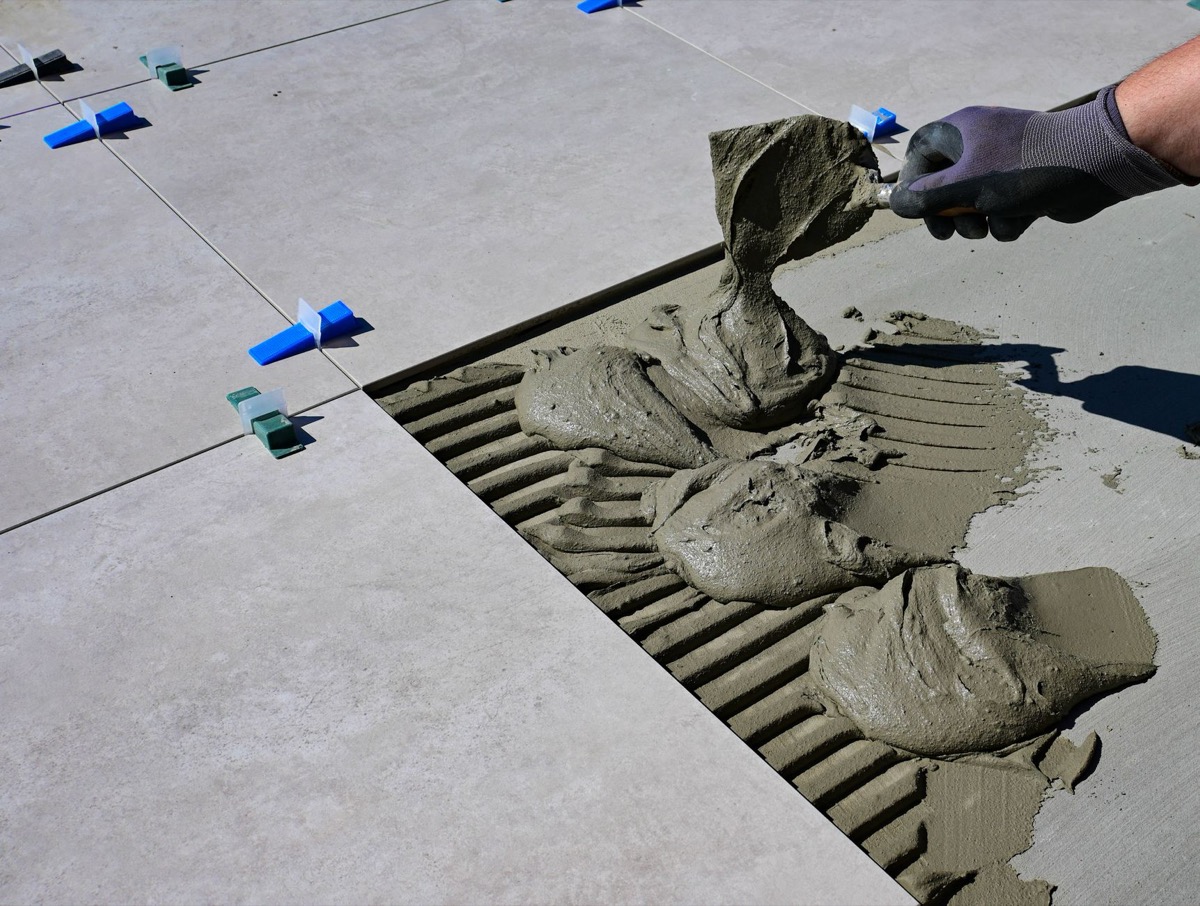
An uneven or unstable substrate is a primary cause of both lippage and grout failure. When tile is installed using the thinset method over an uneven substrate, the installed surface may not meet acceptable standards, increasing the likelihood of stress fractures in the grout.
Allowable warpage of tile modules is defined in the ANSI A137.1 standard, and tiles that fall outside those tolerances can create uneven planes that place ongoing pressure on grout joints, eventually causing them to crack.
Prevention and Planning
Preventing grout cracks starts at the planning stage: ensuring the substrate is flat, selecting tiles with acceptable warpage tolerances, and using appropriate joint spacing all reduce the risk. Proper joint width helps accommodate minor movement and prevents stress from concentrating in any single line.
Before starting a tiling project, calculating the correct number of tiles and planning layout carefully helps avoid awkward cuts and uneven spacing that can worsen lippage. Use the free tile calculator at / to plan your project accurately from the start.
Key takeaways
- Lippage — height differences between adjacent tiles — concentrates stress on grout joints and is a leading cause of grout cracking.
- An uneven substrate and tiles with excessive warpage are key installation factors that make grout cracking more likely over time.
Related tools
Estimate materials with our free tile calculator on Tile Calculator.