Grout cracking
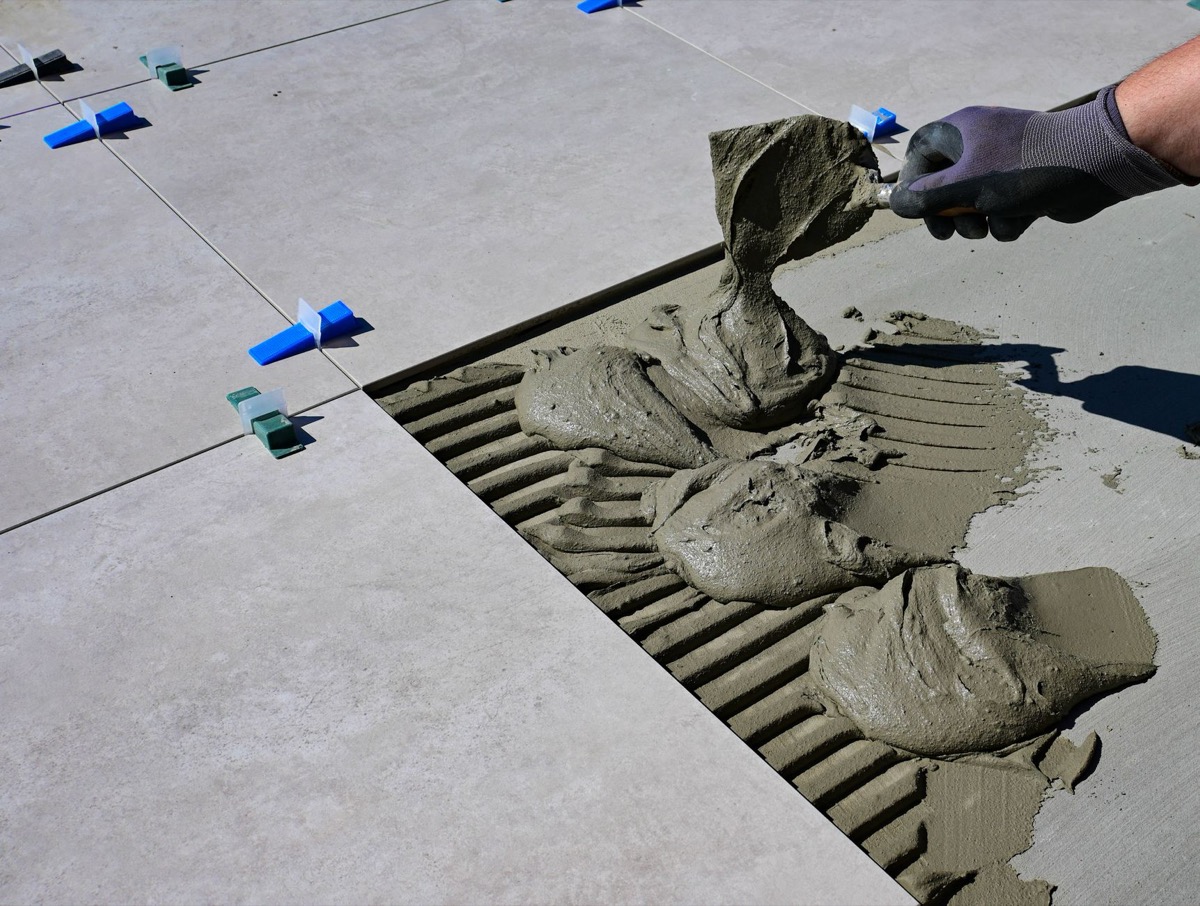
Why Grout Cracks in Tile Installations
Grout cracking is one of the most common complaints in tile work, and it rarely has a single cause. Movement in the underlying substrate, improper installation technique, and tile-level variation all contribute to stress that grout joints cannot absorb.
Because grout is a rigid material, it has limited flexibility. When the forces acting on a tiled surface exceed what the grout can handle, cracks form along the joints.
The Role of Lippage in Grout Joint Stress
Lippage — defined by ANSI standard A108.02, Section 4.3.7 as "differences in elevation between edges of adjacent tile modules" — places uneven mechanical stress on grout joints. When one tile edge sits higher than its neighbor, the grout bridging that gap is subject to shear forces every time the surface flexes or bears weight.
Several factors influence how much lippage develops, including allowable warpage of the tile modules, spacing between tiles, and variations in the plane of the substrate. Each of these variables can compound stress on grout joints over time.
Substrate Flatness and Its Impact on Grout
An uneven substrate is a leading contributor to both lippage and grout cracking. When tile is installed by the thinset method over an uneven substrate, the installed surface may not meet lippage standards, which in turn increases the likelihood of grout failure.
A flat, stable substrate allows tiles to sit uniformly, reducing the differential movement that causes grout to crack. Correcting substrate issues before laying tile is therefore a critical preventive step.
Tile Spacing, Warpage, and Planning Your Project
The spacing or separation between tile modules influences whether changes in elevation are gradual or abrupt — a factor specifically noted in ANSI A108.02. Wider grout joints can accommodate slight height differences more gracefully than very narrow joints, which concentrate stress in a smaller area.
Getting tile quantities and joint spacing right from the start helps avoid mid-project adjustments that can introduce inconsistencies. Use the free tile calculator at / to plan your layout accurately before purchasing materials or beginning installation.
Key takeaways
- Lippage — height differences between adjacent tile edges — creates shear stress on grout joints that can lead to cracking over time.
- An uneven substrate is a primary cause of lippage and grout failure; correcting flatness issues before installation is essential.
- Tile warpage, grout joint width, and light reflection all affect how lippage and related grout problems appear and develop.
- Proper planning of tile layout and joint spacing from the outset reduces installation inconsistencies that contribute to grout cracking.
Related tools
Estimate materials with our free tile calculator on Tile Calculator.