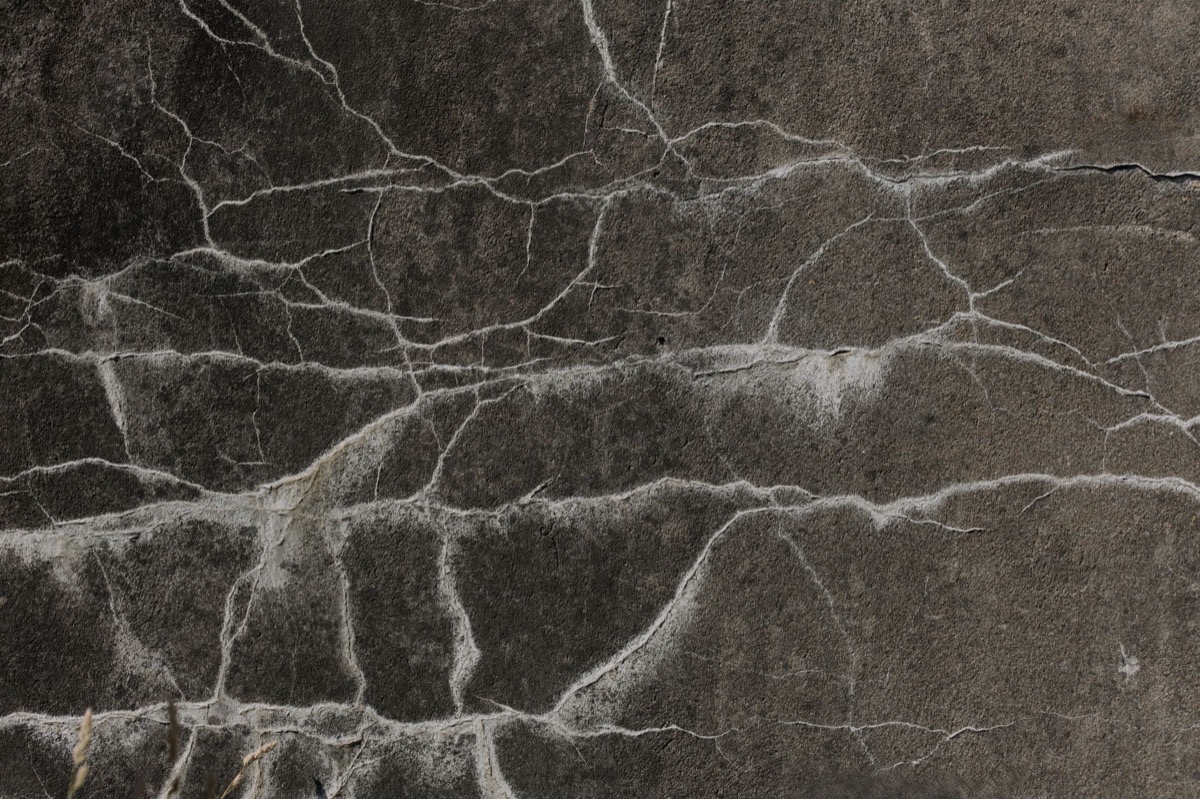
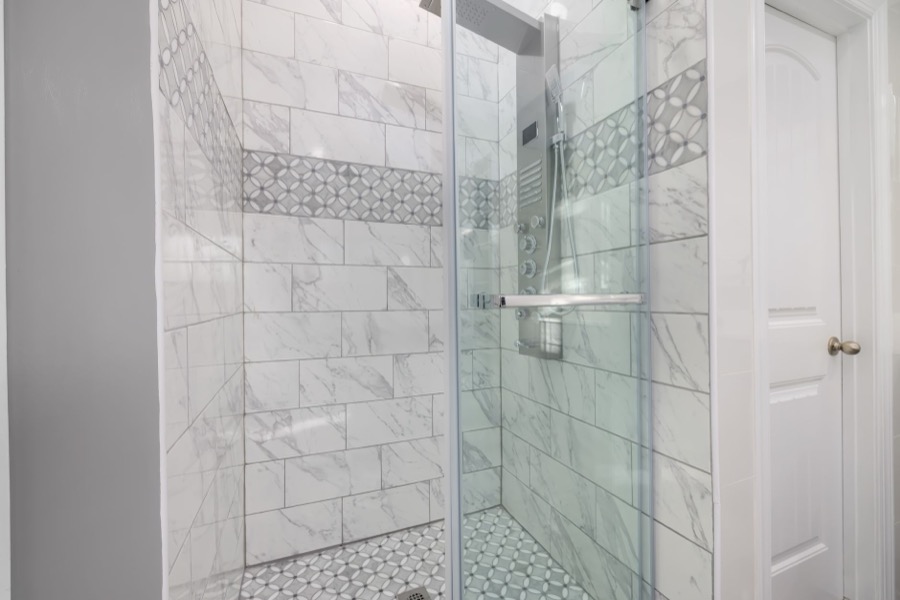
Grout cracking in shower
What Is Grout and Why It Matters in Showers
Grout is a dense substance that flows like a liquid yet hardens upon application, commonly used to seal joints between tiles. It is generally a mixture of water, cement, and sand, and when correctly mixed and applied, it forms a water-resistant seal.
In showers, that water-resistant seal is critical. Cracked grout allows moisture to penetrate behind tile surfaces, potentially causing structural damage, mold growth, and tile loosening over time.
Common Causes of Grout Cracking in Showers
One frequent cause of grout cracking is movement in the substrate beneath the tile. When floors or walls flex slightly — due to normal building settlement or foot traffic — the rigid grout joints cannot flex with them, leading to cracks.
Improper mixing ratios or inadequate curing time during installation can also weaken grout. Because grout is a cement-and-sand mixture, deviations from correct proportions reduce its final strength and resistance to stress.
The Role of Industry Standards in Preventing Grout Failure
Organizations such as the Tile Council of North America (TCNA) develop quality criteria for buyers, specifiers, installers, manufacturers, and the general public through the publication of ANSI standards and the TCNA handbook. Following these standards during installation significantly reduces the risk of premature grout cracking.
Selecting the right grout type for a shower environment is equally important. Cementitious tile grouts are classified into different categories, and matching the correct classification to the application helps ensure long-term performance.
Repair, Prevention, and Planning Your Tile Project
Repairing cracked shower grout typically involves removing the damaged material, cleaning the joint thoroughly, and applying fresh grout or a flexible caulk at movement joints — such as corners and changes of plane — where rigid grout is most prone to failure.
Before starting any tile or re-grouting project, planning your material quantities carefully saves time and reduces waste. Use the tile calculator at / to estimate how much tile and grout your shower project will require before purchasing supplies.
Key takeaways
- Grout is a cement-and-sand mixture that forms a water-resistant seal between tiles, making its integrity especially important in wet shower environments.
- Substrate movement, improper mixing, and skipping industry installation standards are leading contributors to grout cracking in showers.
- Replacing cracked grout promptly and using flexible caulk at movement joints helps prevent moisture intrusion and extend the life of a tiled shower.
- Following ANSI standards and TCNA guidelines during installation provides a proven framework for reducing grout failure.
Related tools
Estimate materials with our tile calculator on Tile Calculator.