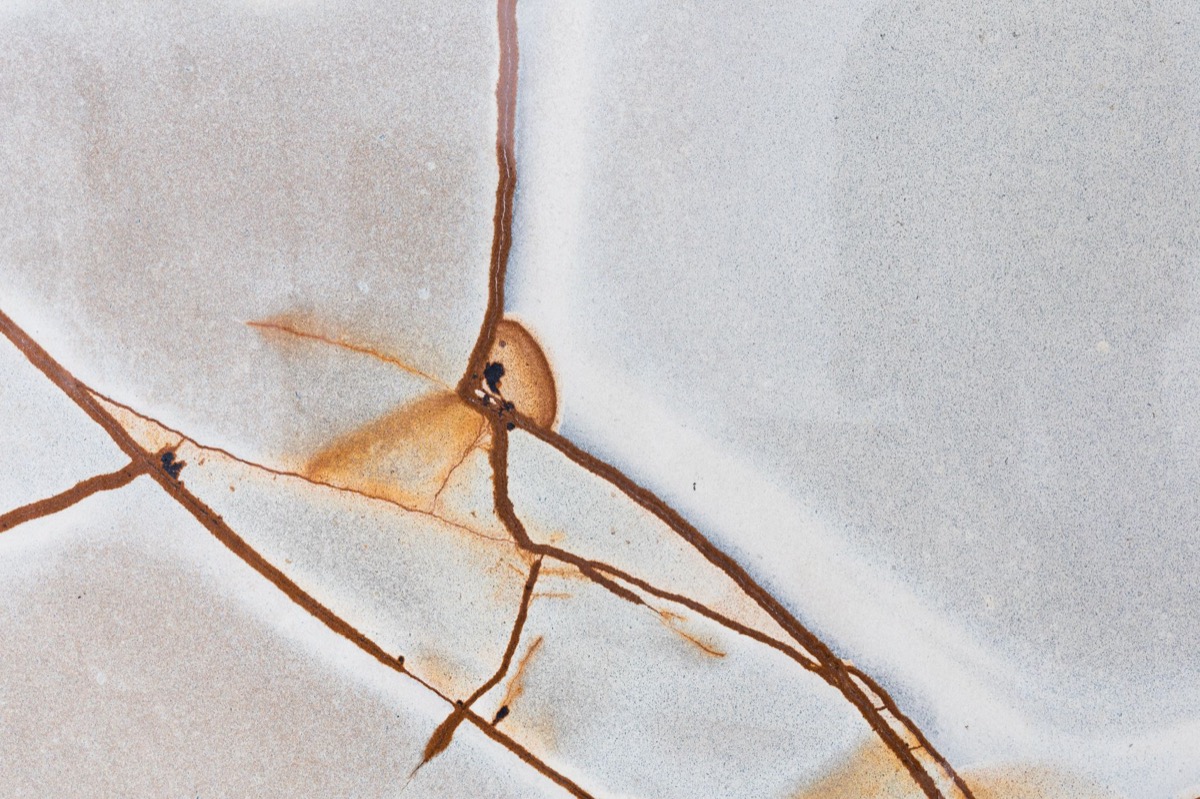
Cracking grout in shower
How Do I Clean and Repair Grout? | DIY Basics via Lowe's Home Improvement
Grout Composition and Function
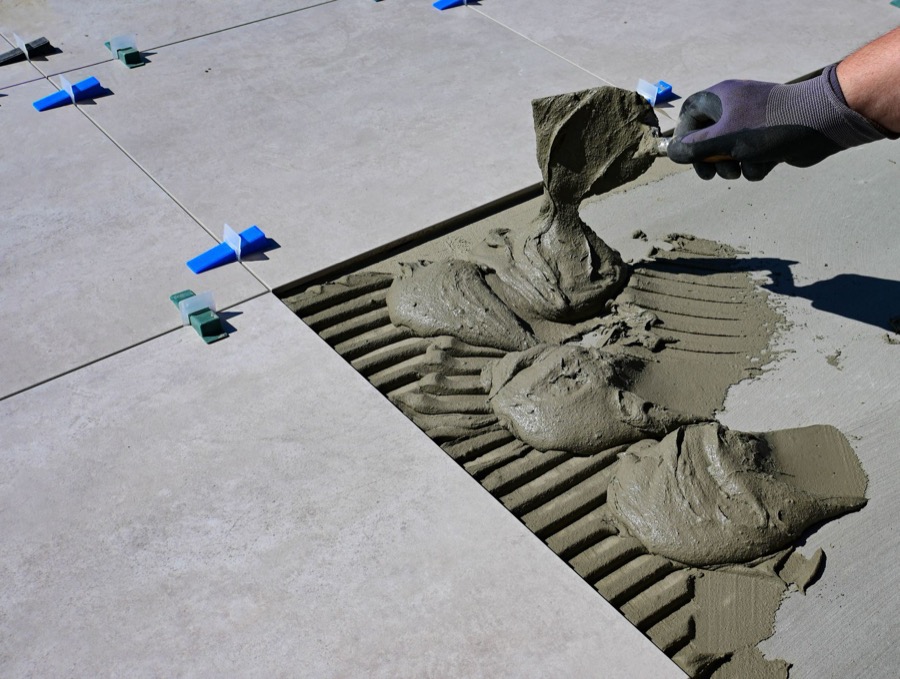
Grout is a dense substance that begins as a liquid and hardens after application. It is commonly composed of cement, sand, and water.
Its primary functions include filling gaps and reinforcing existing structures. Common household uses involve sealing joints between tiles, such as those found on shower floors and kitchen backsplashes.
Grout vs. Mortar and Caulk
While both grout and mortar are applied as thick suspensions that harden, grout is distinguished by its low viscosity and absence of lime. This allows it to flow readily into smaller gaps.
Mortar, conversely, is thicker and capable of supporting the weight of masonry placed above it. Grout also differs from caulk in its composition and hardening properties.
Properties and Applications of Grout
When correctly mixed and applied, grout forms a water-resistant seal. It can be color-tinted if it is intended to be visible.
Grout is frequently utilized in pressure grouting, embedding rebar, connecting precast concrete sections, filling voids, and sealing tile joints. For larger spaces, it may sometimes include fine gravel.
Key takeaways
- Grout is a cementitious mixture used to fill gaps and seal joints in tile applications.
- Its fluid consistency allows it to penetrate narrow spaces, differentiating it from thicker mortar.
- Properly applied grout creates a water-resistant seal, crucial for areas like shower floors.
Related tools
Estimate materials with our tile calculator on Tile Calculator.